

Welcome to Osprey Bay Outdoors – Tampa Bay’s Premier Paddling Shop and Outdoor Gear Destination!
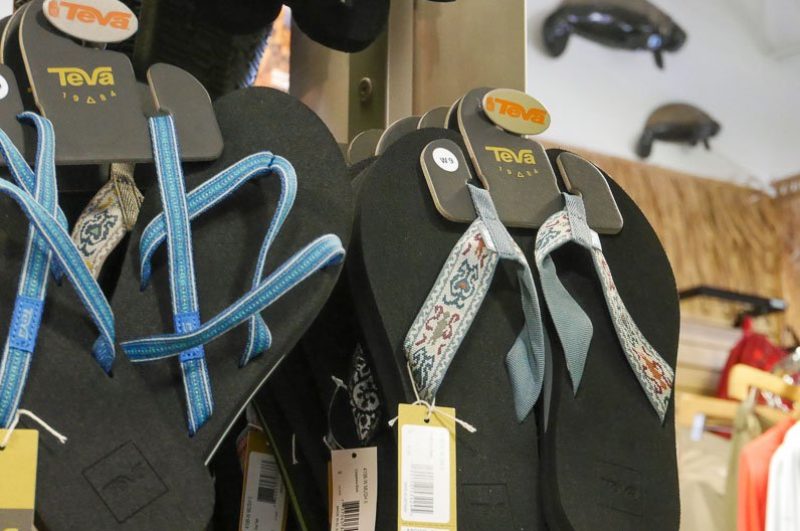
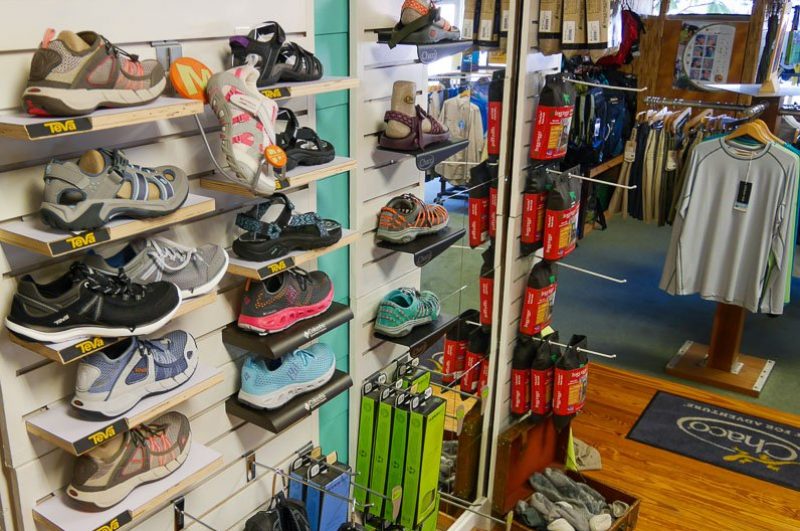
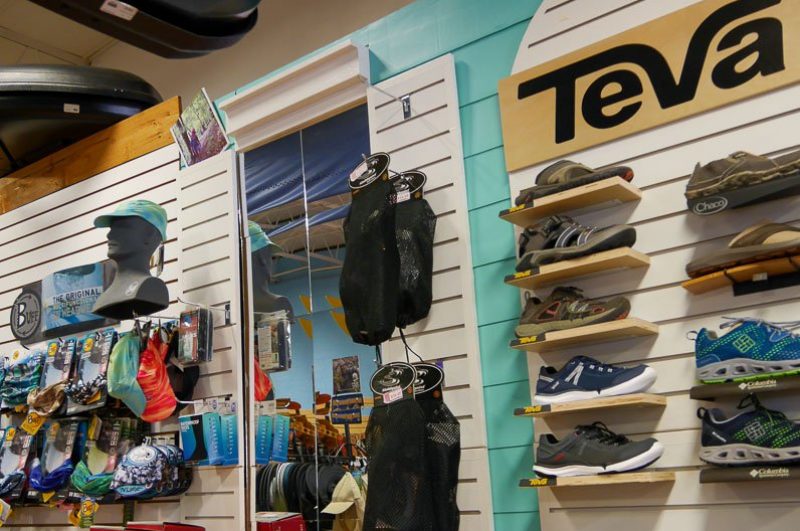
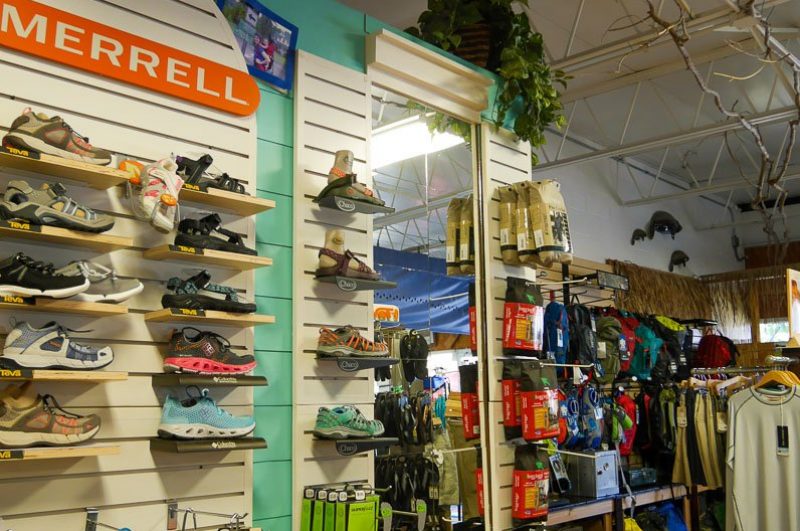
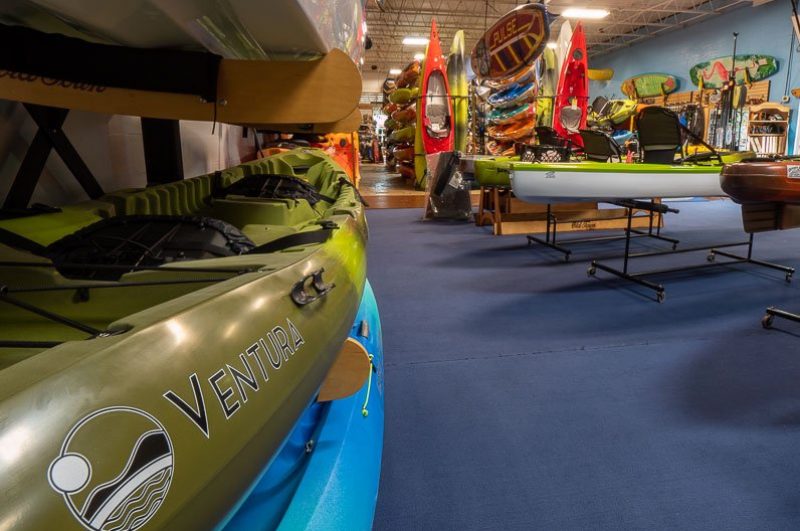
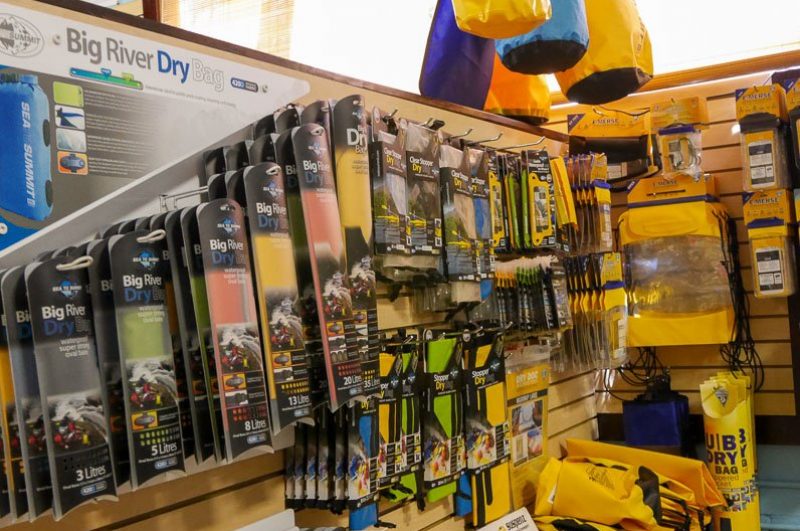
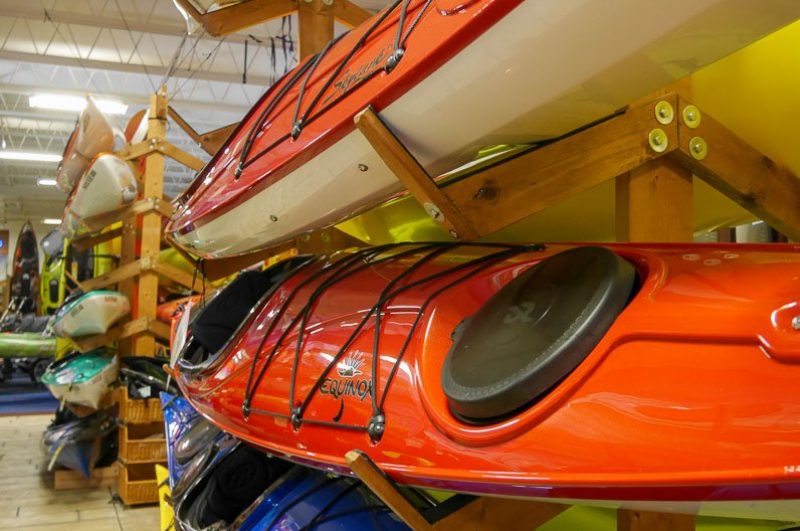
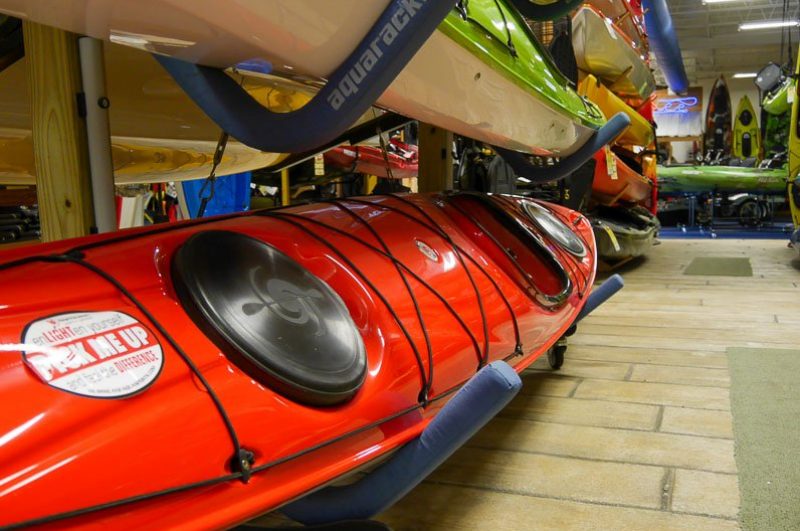
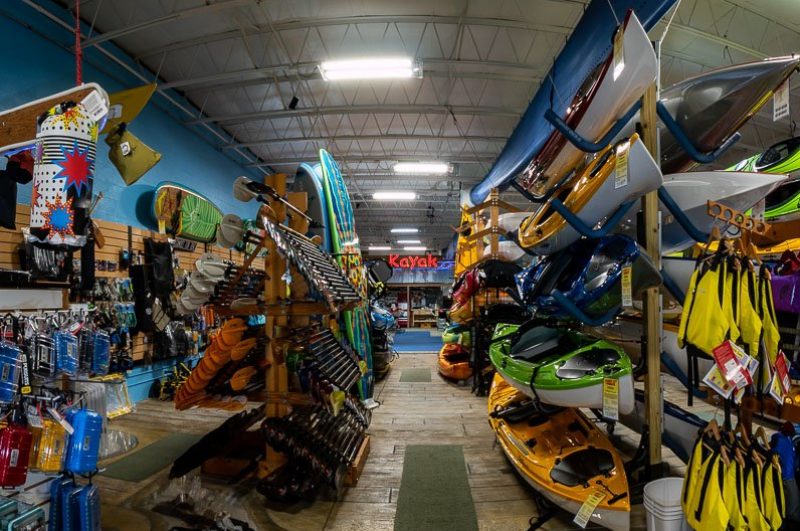
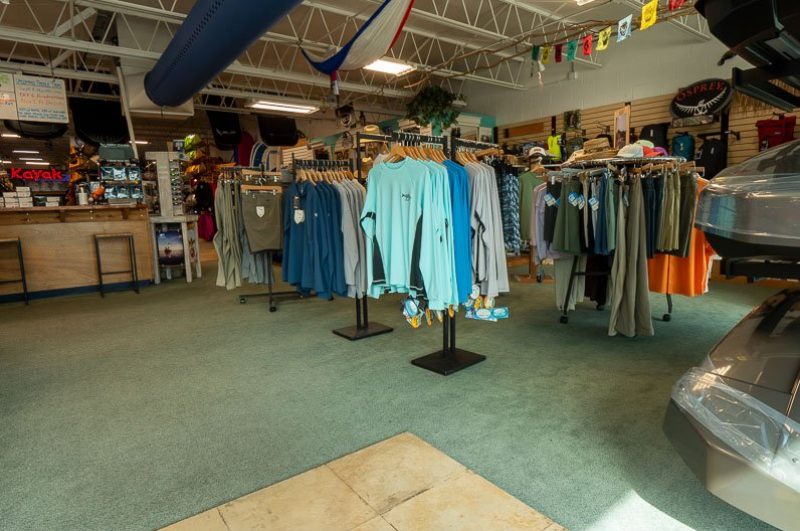
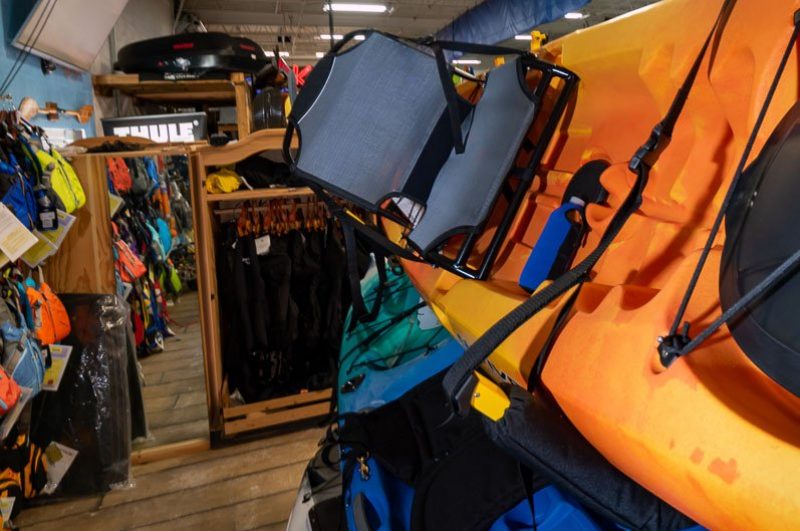
Located in Clearwater, Florida, Osprey Bay Outdoors is the go-to paddling shop and outdoor store serving Pinellas County and the greater Tampa Bay area. While we may look small from the street, step inside and you’ll discover a spacious, fully-stocked retail shop brimming with everything you need for kayaking, stand-up paddleboarding (SUP), outdoor adventure, and more. Conveniently situated near Safety Harbor, Dunedin, and Largo, we offer expert gear selection, exceptional service, and unbeatable prices.
Explore Our Extensive Collection of Outdoor Gear
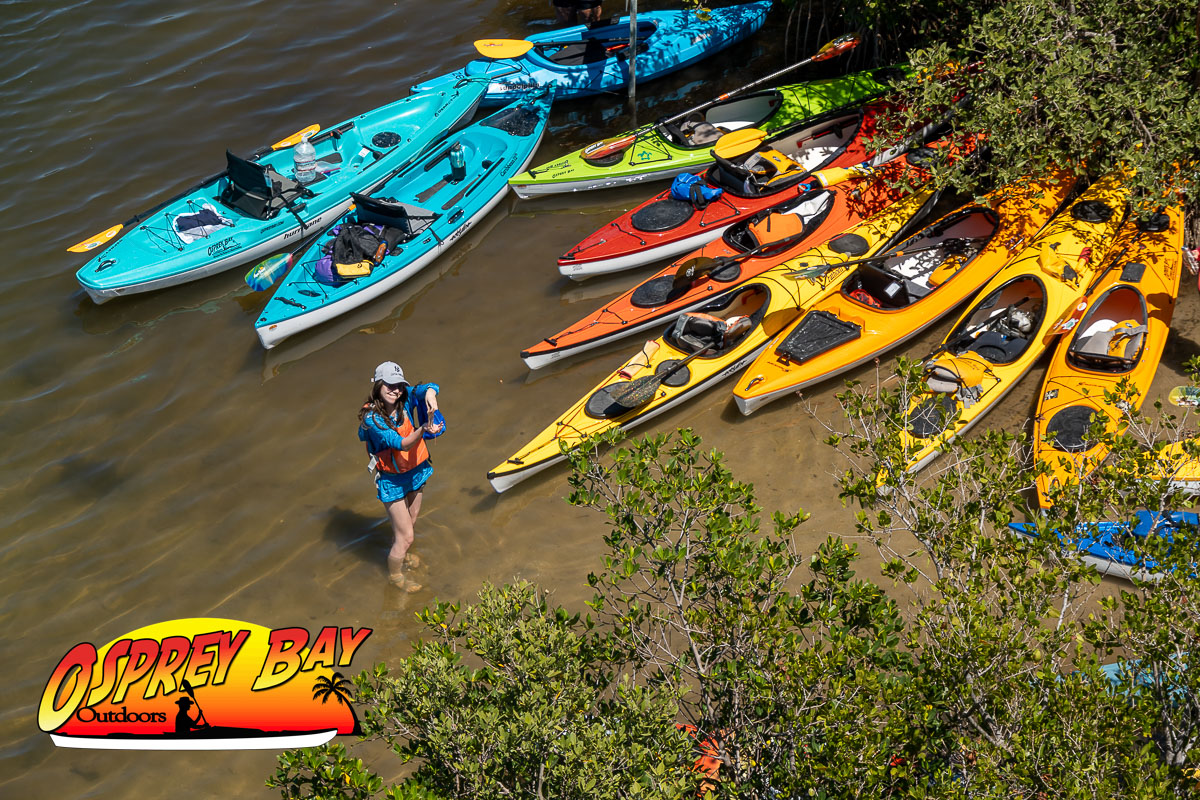
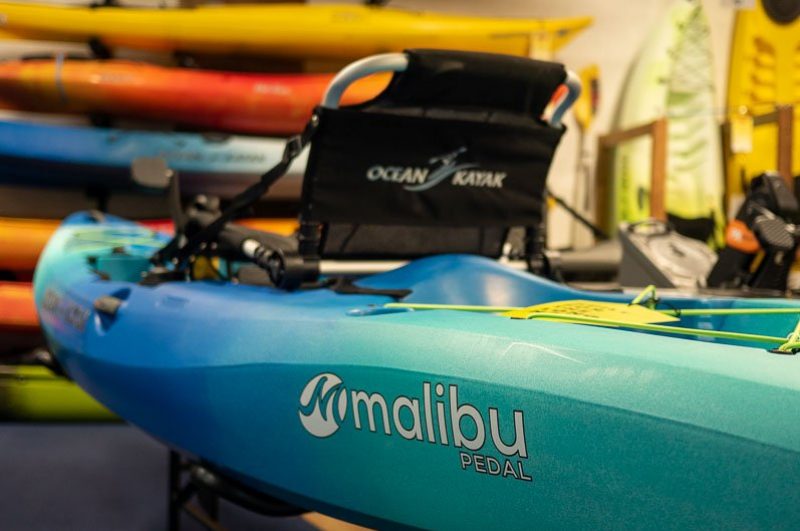
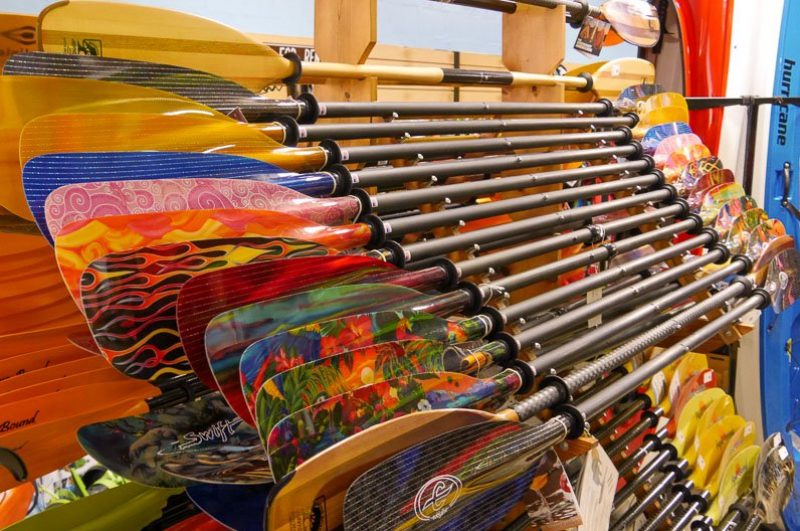
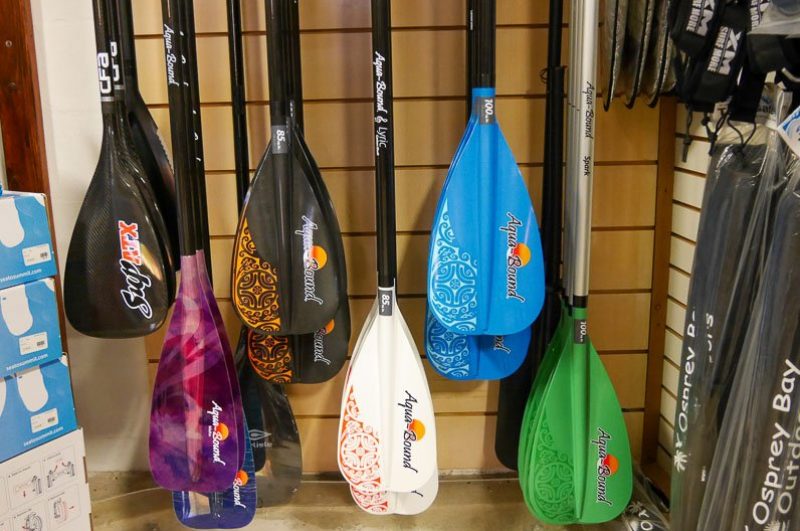
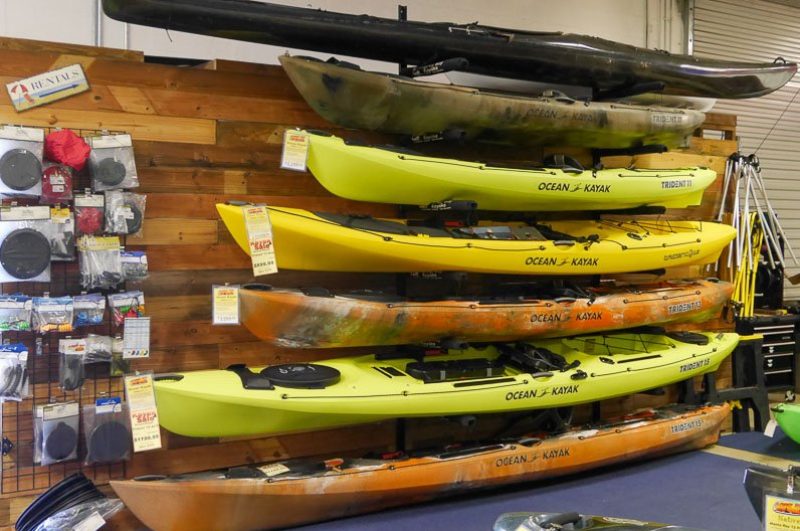
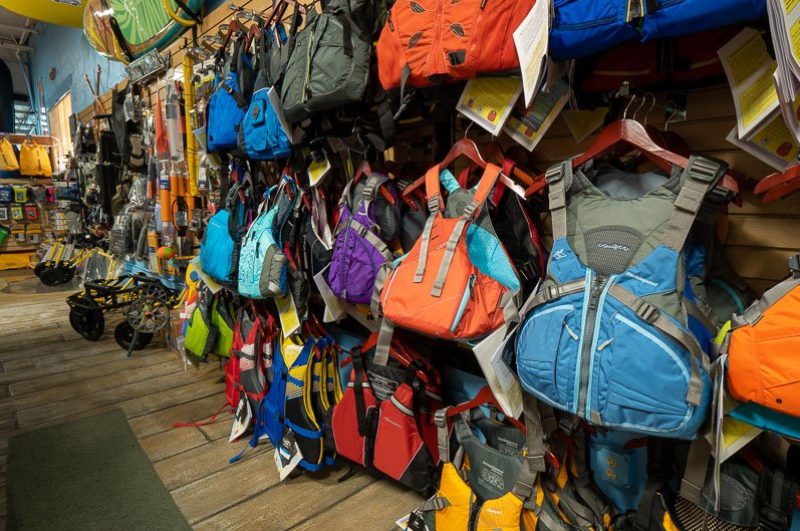
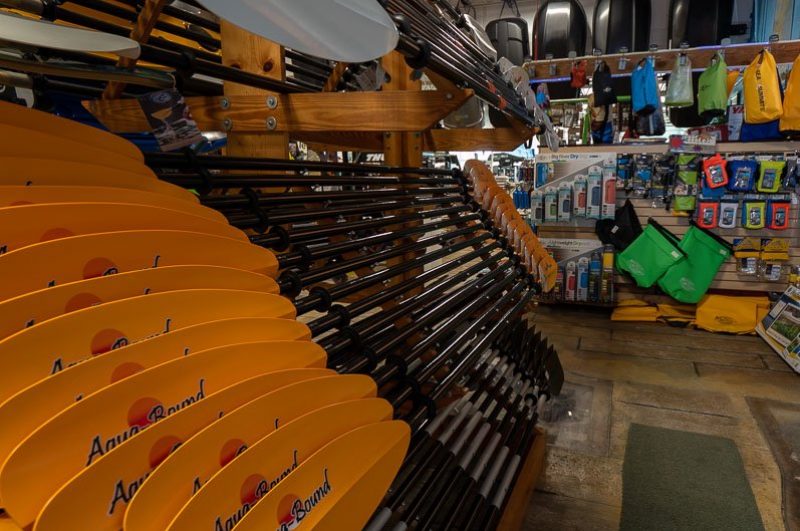
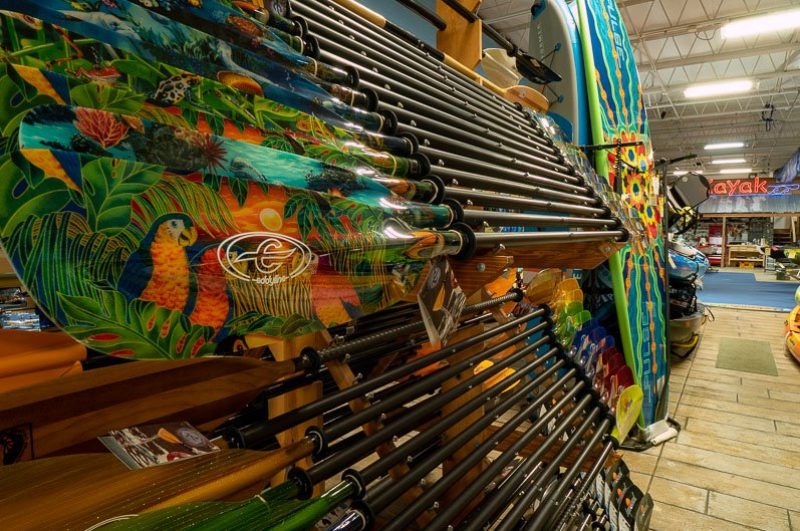
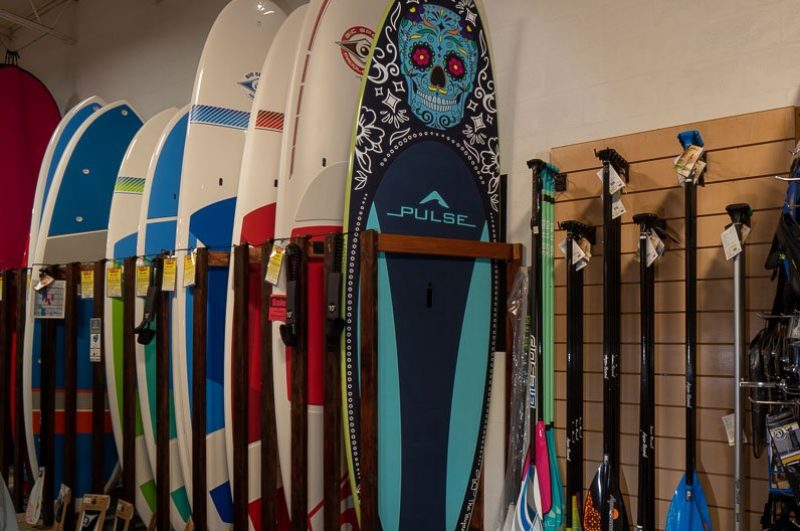
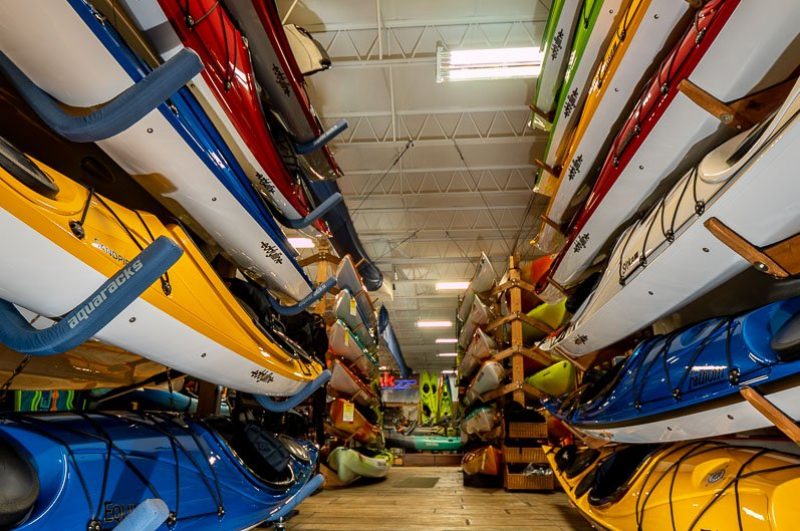
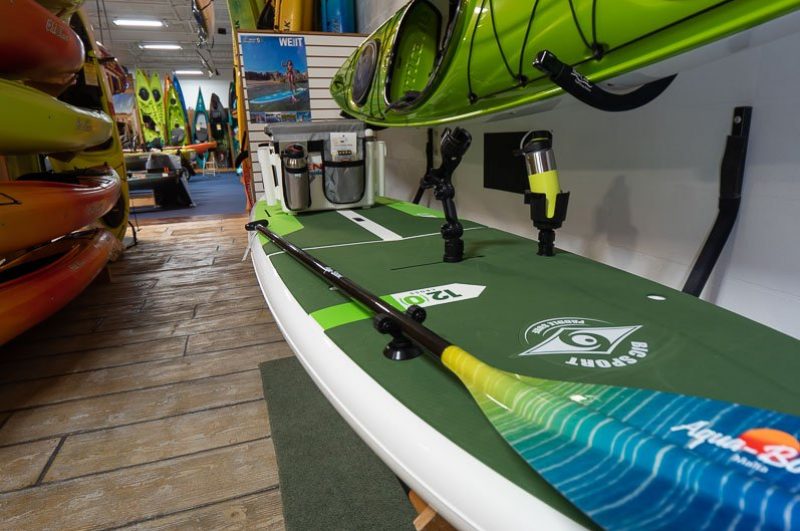
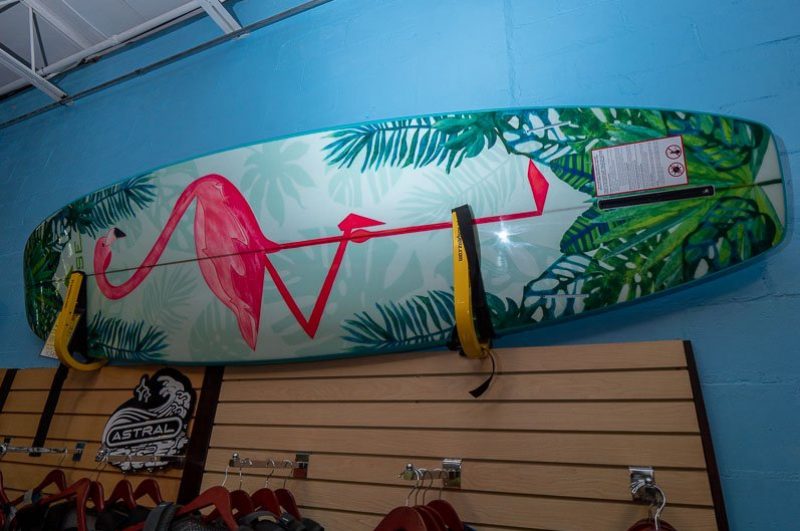
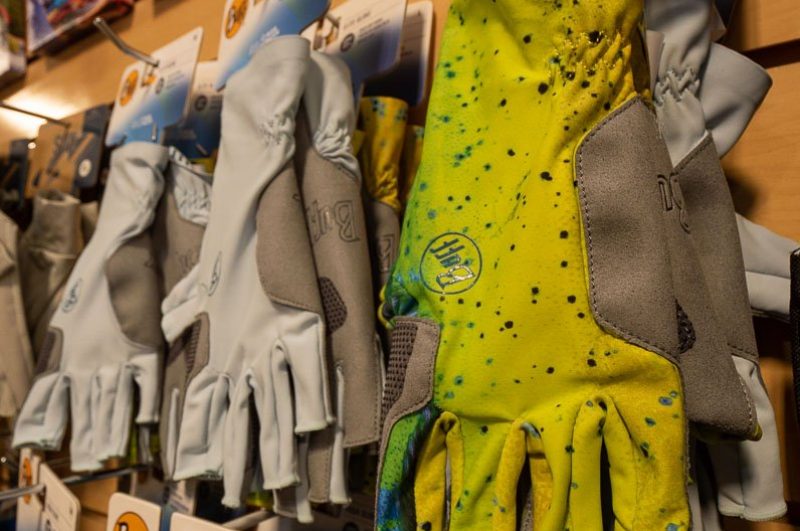
At Osprey Bay Outdoors, we offer an impressive variety of in-stock kayaks, SUPs, paddles, PFDs (personal flotation devices), and UV protective clothing from top brands like Ocean Kayak, Eddyline Kayaks, Old Town Kayaks, Native Kayaks, Hurricane Kayaks, and Liquid Logic. Whether you’re a beginner or a seasoned paddler, you’ll find the perfect kayak or paddleboard to suit your needs.
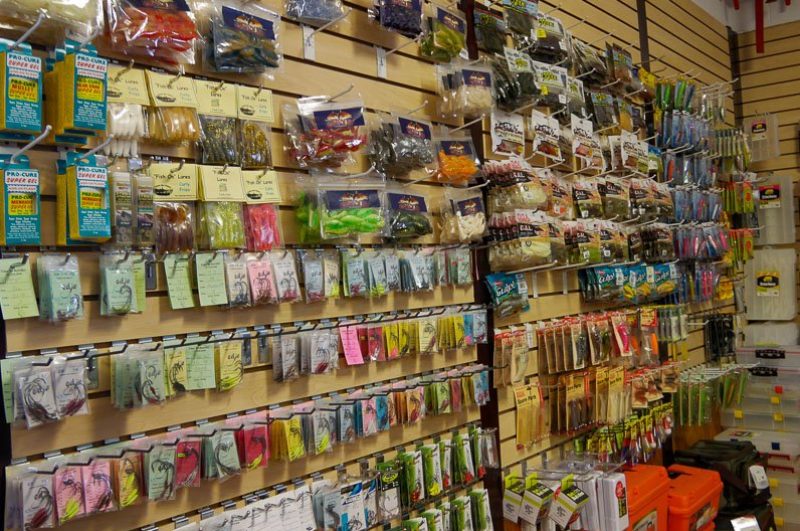
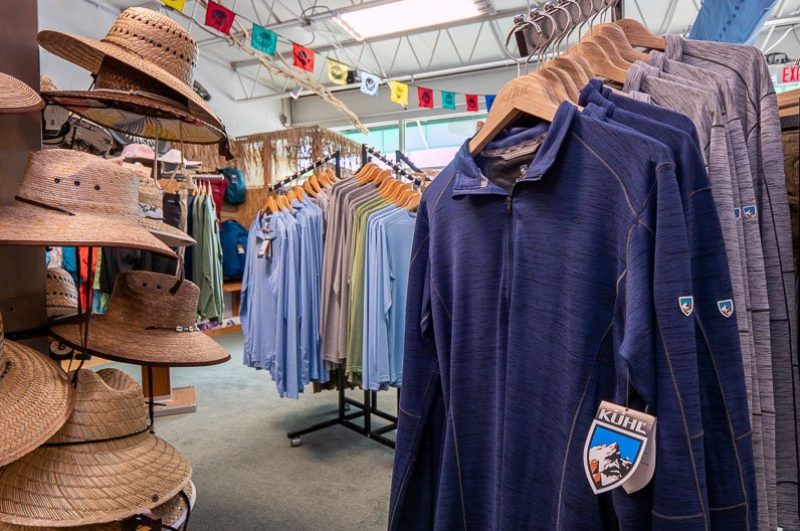
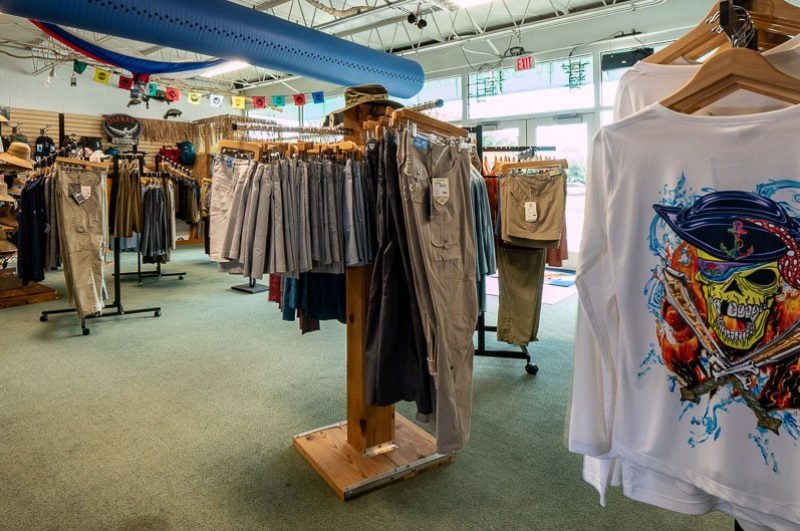
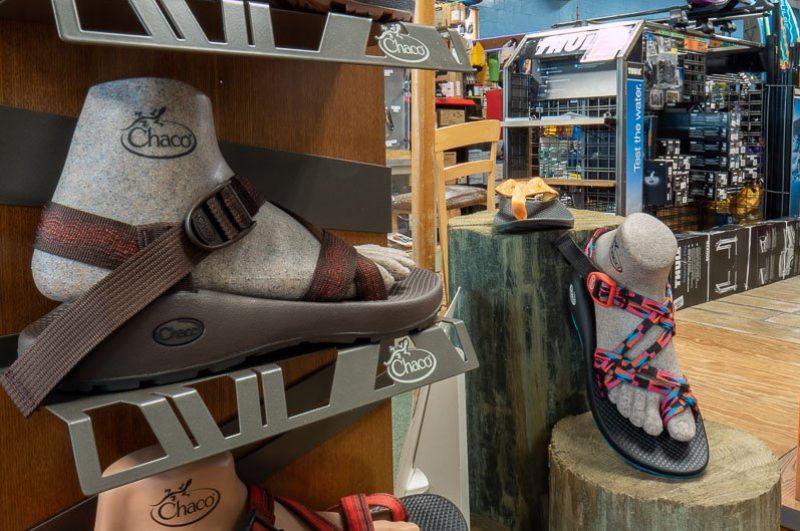
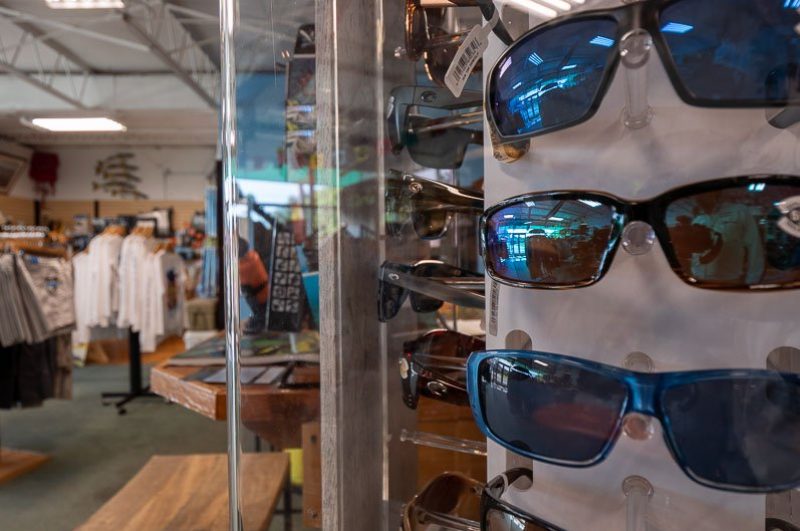
We also carry a wide range of outdoor gear, including paddling accessories, fishing tackle, coolers, rooftop carriers, and travel wear from trusted brands like Aquabound, Stohlquist, Astral PFDs, Huk Clothing, Kuhl Clothing, and Tilley Hats.
Fishing Gear for Kayak & Paddleboard Anglers
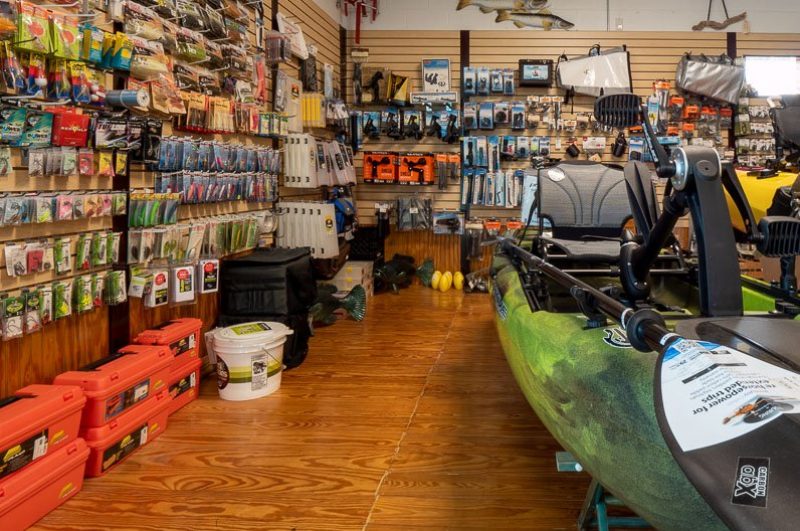
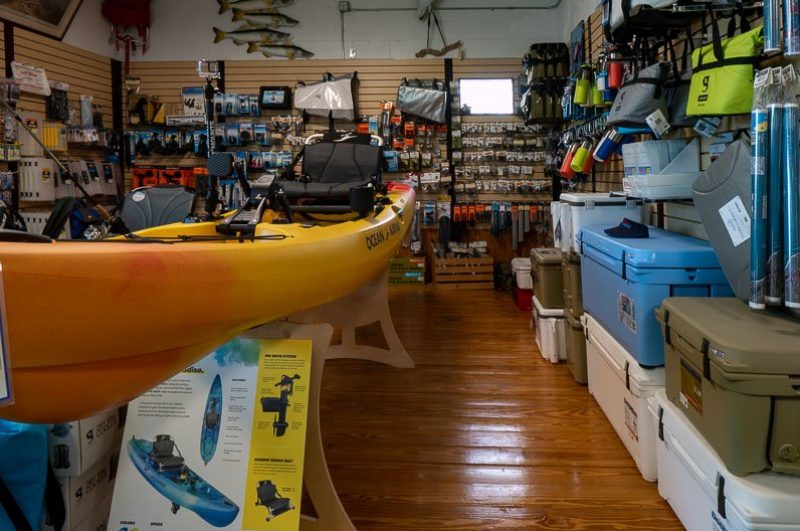
For kayak and paddleboard fishing enthusiasts, Osprey Bay Outdoors has everything you need to gear up for your next fishing adventure. Our store is fully stocked with fishing rod holders, anchor trolleys, stake-out poles, camera mounts, and coolers from trusted brands like Scotty, Ram, and YakAttack. Whether you’re looking for a relaxing day of paddleboard fishing or gearing up for a serious kayak angling expedition, we’ve got the equipment to help you reel in your next big catch.
Need to customize your setup? Our service department offers expert installations and upgrades, including mounting fish finders, motors, and other essential fishing accessories to enhance your kayak or paddleboard. Let us help you transform your ride into the ultimate fishing machine, so you can focus on what matters most: catching fish.
Get Your Gear to Your Favorite Spot
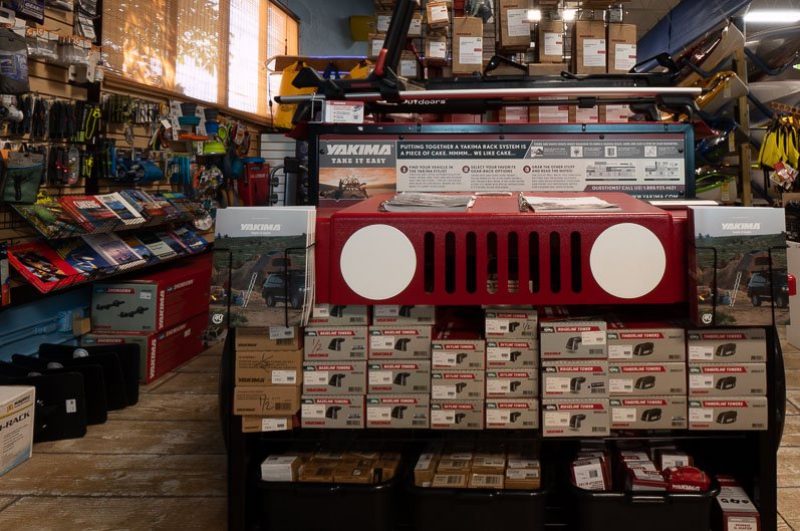
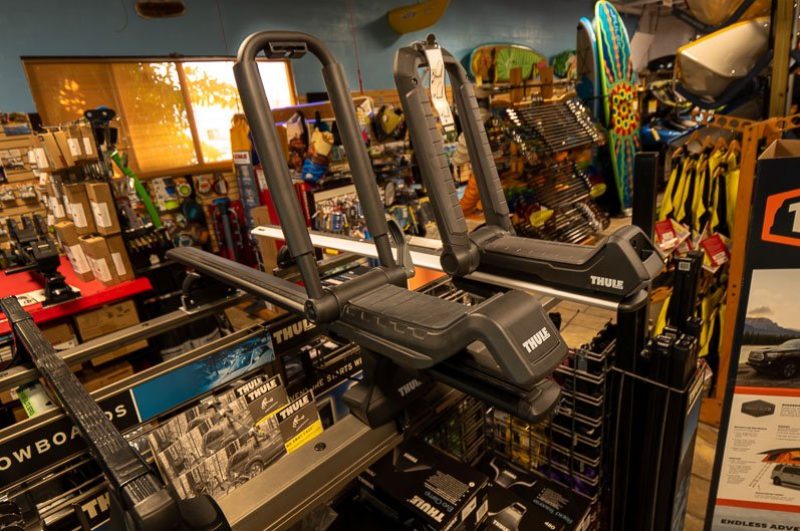
Need help transporting your gear? We carry roof racks, kayak trailers, cargo boxes, cargo baskets, bike racks, and kayak & paddleboard carriers from Thule and Yakima. You can trust our top-quality products to keep your gear secure while you’re on the road.
Kayak & Paddleboard Rentals
New to the area or just looking for a new way to explore the waters? Osprey Bay Outdoors offers kayak and paddleboard rentals in Clearwater, with boat transport to Coopers Bayou on Upper Tampa Bay. Spend a day on the water with ease, knowing that your gear is ready and waiting for you.
Monthly Paddling Trips, Skill Classes & Demo Days
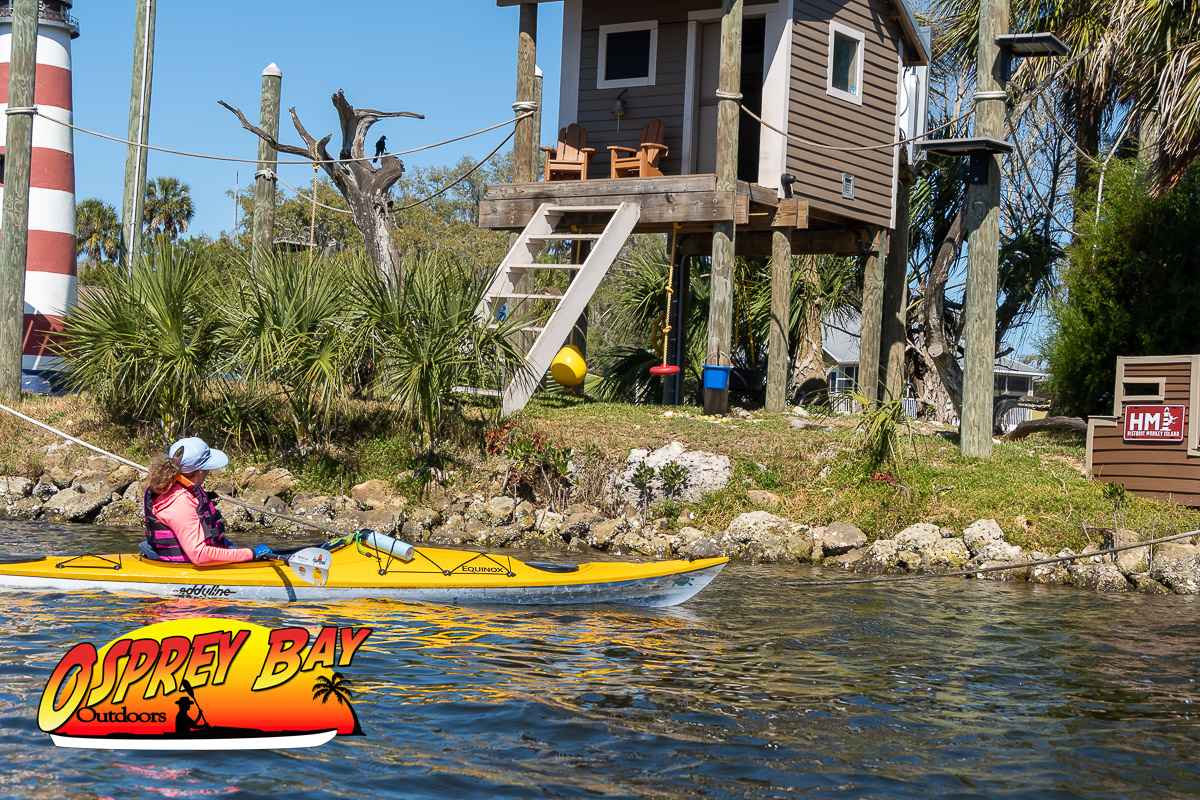
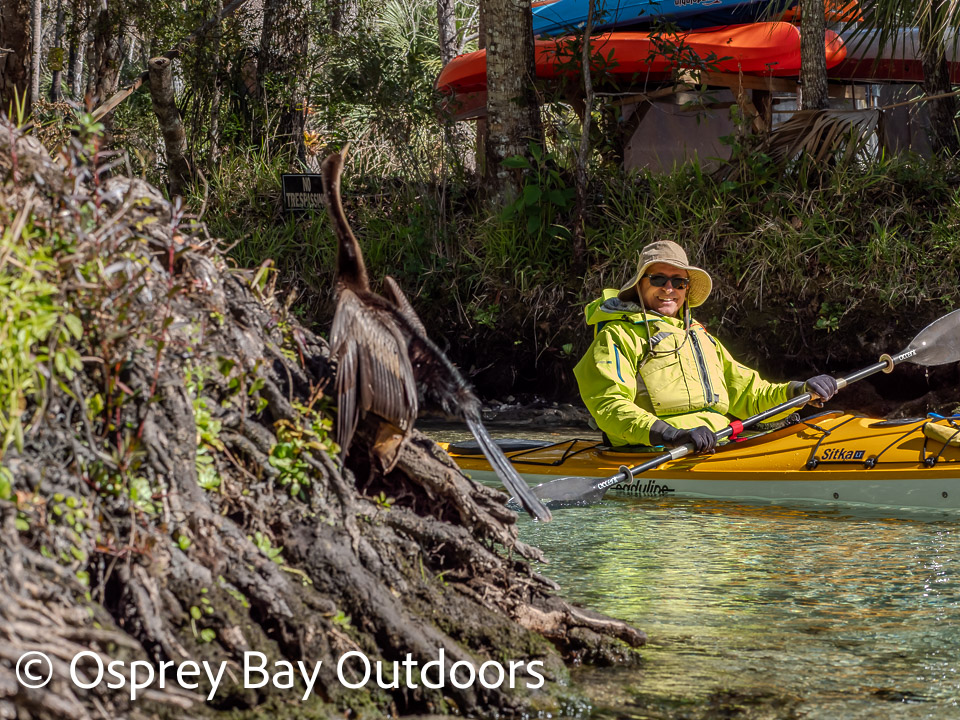
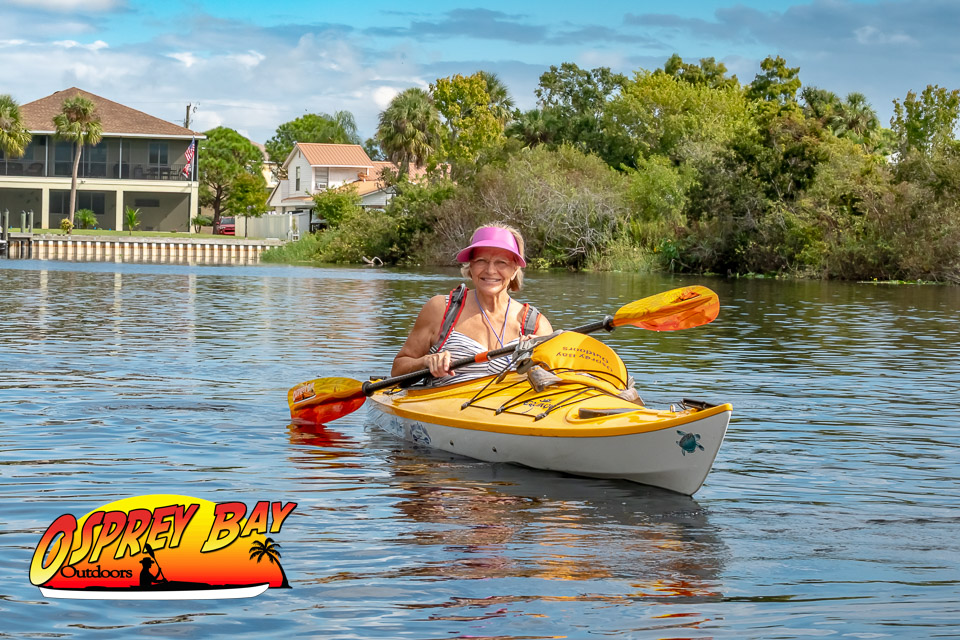
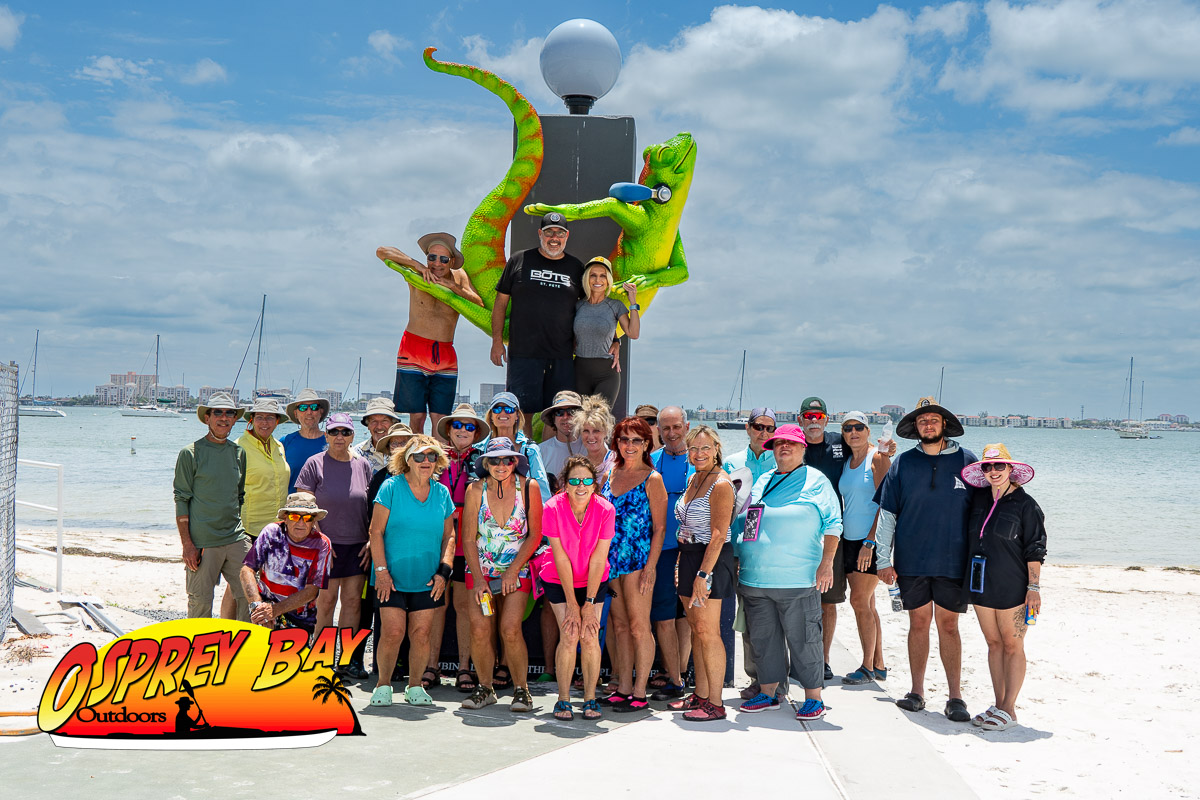
Ready to discover the beauty of Tampa Bay’s waterways while improving your paddling skills? Osprey Bay Outdoors invites you to join us for our monthly paddling trips to some of the most stunning and serene locations in the area, including local springs, rivers, marshes, and bays across Pinellas, Hillsborough, Pasco, Hernando, Manatee, and Sarasota counties. Whether you’re looking for a relaxing paddle through tranquil waters or seeking an adrenaline-pumping adventure, our guided trips provide an unforgettable experience in the region’s most scenic spots.
Looking to improve your technique? We offer a variety of kayak and paddleboard classes designed to help you gain confidence, improve your paddling efficiency, and master new skills. Our experienced instructors will guide you every step of the way, whether you’re a beginner or an experienced paddler looking to take your skills to the next level.
Not sure which kayak or paddleboard is right for you? No problem! We host free monthly Demo Days, where you can test out a wide variety of kayaks and paddleboards to see which one feels just right. It’s the perfect opportunity to try before you buy and ensure you’re making the best choice for your needs.
Join us at Osprey Bay Outdoors and get ready to explore, learn, and enjoy the incredible waterways of Tampa Bay!
Why Choose Osprey Bay Outdoors?
At Osprey Bay Outdoors, we are committed to providing the best outdoor gear, exceptional customer service, and a passion for paddling that’s second to none. People come from Tampa, St. Petersburg, Tarpon Springs, and all over the Tampa Bay area to visit our store because we offer a personalized shopping experience and the most trusted gear in the industry.
Whether you’re looking for the perfect kayak, planning your next fishing trip, or signing up for a class or paddling excursion, Osprey Bay Outdoors has everything you need to make your outdoor adventures unforgettable.
Come visit us today and discover why we’re the best paddling shop in Tampa Bay!